Sponsored article
New or Used Amusement Machines for FECs: What Really Determines Profitability?
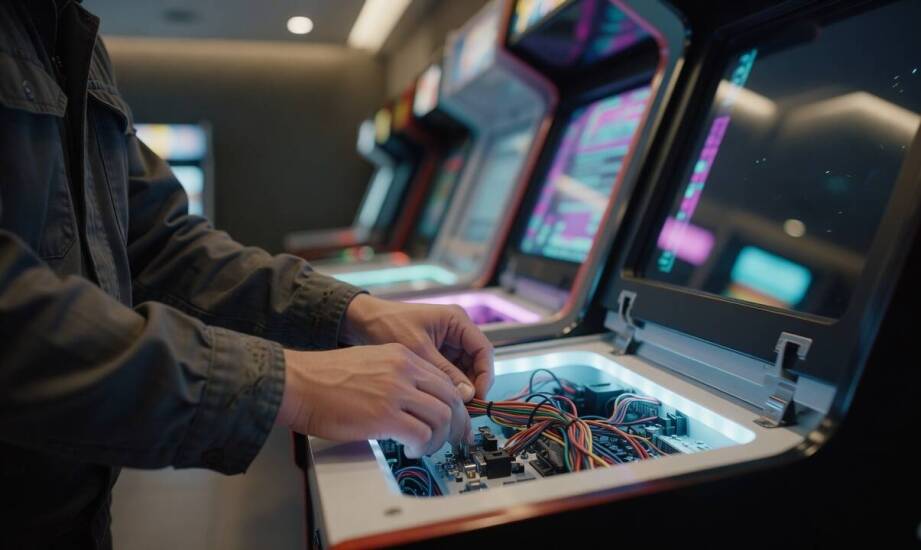
Expanding the entertainment zone of a family entertainment center requires a thorough analysis that goes far beyond the initial purchase budget. Operators must consider expected visitor traffic, access to technical support, and their tolerance for potential equipment downtime. The choice between brand-new equipment and second-hand solutions directly affects future operating expenses.
The profitability of an entire machine fleet depends on maintaining uninterrupted operation during peak hours. As a result, every decision regarding equipment selection influences the long-term return on investment. While adding new attractions can attract additional customer groups, it also requires careful monitoring of reliability and maintenance performance.
Purchase Price vs. Actual Fleet Ownership Costs
A low purchase price for second-hand equipment is rarely a reliable indicator of profitability. Used machines often require additional spending on spare parts, calibration, and maintenance interventions.
The total cost of ownership of a refurbished machine can quickly exceed the savings achieved at the time of purchase.
Modern amusement machines may offer a return on investment within several months to a few years, depending on game popularity, location, and customer traffic. Heavily used equipment, however, can require significant refurbishment during the first years of operation, reducing overall profitability.
Hidden operating costs include electricity consumption and wear of critical mechanical components. Power requirements vary significantly between machine categories. While some redemption or skill games require relatively little energy, advanced simulators and virtual reality attractions often consume substantially more power during operation.
Older machines may also use less energy-efficient systems, increasing monthly utility costs. A malfunctioning coin acceptor, ticket dispenser, or payment system can immediately stop a machine from generating revenue.
Advantages of New Equipment in High-Traffic Locations
Newly manufactured machines generally offer greater operational reliability in venues with constant player traffic. The use of modern electronics, upgraded components, and current-generation control systems helps reduce the likelihood of unexpected failures.
Lower downtime risk allows operators to maintain a consistent guest experience, particularly during weekends and holiday periods.
Reliable operation contributes to customer satisfaction and encourages repeat visits. Guests are more likely to return to venues where attractions are consistently available and functioning correctly.
Mechanical components such as steering systems, claw mechanisms, and force-feedback devices are subjected to constant stress during daily operation. New equipment typically offers a predictable maintenance schedule during the initial phase of ownership and often benefits from manufacturer warranties and software support.
Stable maintenance costs also make it easier to forecast revenue and manage budgets. New control systems help ensure accurate prize distribution and proper machine calibration, reducing the risk of operational losses.
When Used Machines Can Be a Smart Investment
Purchasing equipment from the secondary market can be justified when it forms part of a clearly defined business strategy.
Operators often choose used machines when dealing with proven game models that have a strong track record and readily available spare parts. Refurbished equipment may be particularly suitable for lower-traffic areas or venues with highly seasonal visitor numbers.
In such environments, lower mechanical stress can help extend the service life of older machines.
However, acquiring used equipment requires a thorough evaluation process. This should include reviewing technical documentation, service history, and any previous modifications. Particular attention should be paid to components that experience the highest wear levels, such as control panels, joysticks, buttons, and coin-handling systems.
Ignoring potential issues in these critical areas can lead to costly repairs and unexpected downtime.
At the same time, a professionally refurbished machine with documented maintenance history can remain a profitable addition to an attraction portfolio.
Machine Lifecycle Management and Profitability Metrics
Managing an amusement fleet involves every stage of a machine's lifecycle, from logistics and installation to calibration, maintenance, and eventual resale.
Access to spare parts plays a major role in maintaining operational continuity. The speed at which a machine returns to service after a malfunction directly affects profitability. Keeping key replacement components in stock helps reduce repair times and minimizes the risk of prolonged downtime.
Profitability calculations should be based on visitor volume, seasonal demand, uptime performance, and machine depreciation. Ticket redemption attractions can often generate strong revenue per square meter, provided prize payout ratios remain under control.
Preventive maintenance programs help reduce serious failures and support long-term profitability.
Companies that combine machine manufacturing, distribution, and technical support can simplify fleet management. One example is Magic Play, a Polish company that has been active in the amusement industry for many years and provides machine production, sales, spare parts, and servicing solutions. Direct cooperation with a supplier offering technical support can improve responsiveness when repairs or upgrades are required.
Key Criteria for Choosing the Right Technology
The optimal purchasing strategy depends largely on the customer profile and operational model of the venue.
Important factors include:
Expected traffic levels during peak periods
Availability of in-house technical expertise
Tolerance for equipment downtime
Maintenance resources and spare-part availability
Planned lifespan of the attraction portfolio
Facilities focused on maximizing revenue during peak seasons often benefit most from investing in new equipment, which can reduce revenue losses associated with technical failures.
Modern machines also contribute to a more attractive and visually engaging entertainment environment.
Venues with lower but stable visitor numbers may successfully rely on carefully selected second-hand equipment. Ultimately, balancing upfront investment against long-term operating costs is essential for financial stability.
A successful purchasing decision should be based on realistic calculations of downtime risk, maintenance requirements, and available service support. A reliable machine fleet remains one of the foundations of customer satisfaction and repeat visits in any family entertainment center.
Key Takeaways
Profitability depends not only on purchase cost but also on maintenance, energy consumption, and downtime risk.
New machines are often better suited for high-traffic venues due to greater reliability and predictable performance.
Used machines can be profitable when they are proven models supported by available spare parts and documented service histories.
Technical documentation, wear-component condition, and maintenance records are essential during equipment evaluation.
Total ownership cost includes repair response times and ongoing operating expenses.
Fleet profitability depends on customer traffic, seasonality, reliability, and depreciation rates.
FAQ
When can a used arcade machine be a better choice than a new one?
A used machine can be a good option when it is a popular model with a documented service history and easy access to spare parts. It is particularly suitable for locations where visitor traffic is moderate and occasional downtime has a limited impact on revenue.
Which costs are most commonly overlooked when comparing new and used machines?
Energy consumption, replacement parts, maintenance labor, and repair-related downtime are frequently underestimated. In practice, these expenses can significantly affect the long-term profitability of a machine.
What should be checked before purchasing a used amusement machine?
The most important factors include complete technical documentation, maintenance history, and the condition of high-wear components such as buttons, joysticks, control panels, and payment systems. A thorough inspection helps reduce the risk of costly failures after deployment.
You might be interested
The Future of Coffee Roasting Machines: What Awaits Us?

Hand Painting and Stamping: What Gives Bolesławiec Pottery Its Individual Character?
Whole Pork Snouts as a Raw Material for Sorting, Portioning and Further Processing