Sponsored article
Whole Pork Snouts as a Raw Material for Sorting, Portioning and Further Processing
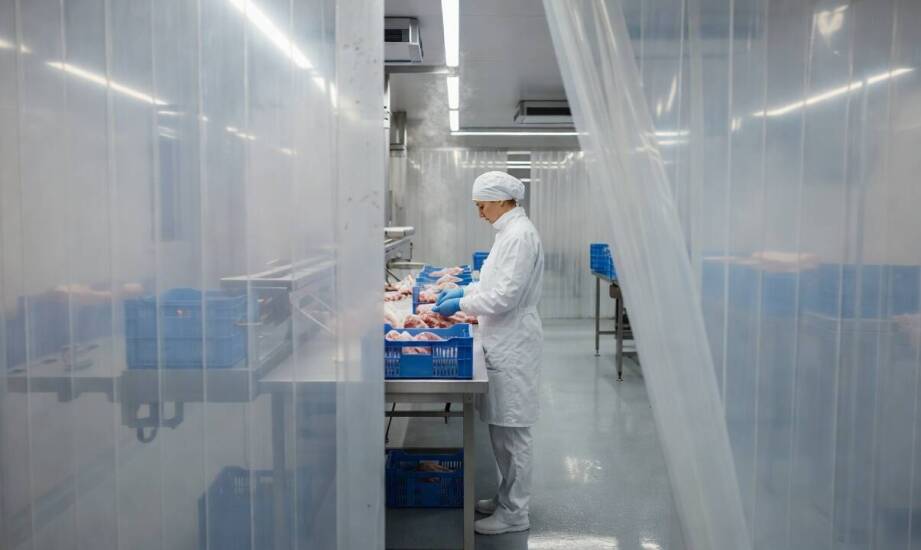
Whole pork snouts are a distinct pork head by-product with processing characteristics that differ from those of trimmed snout discs. Their anatomical structure influences downstream manufacturing processes, enabling more efficient portioning, improved production-line organization, and greater consistency throughout subsequent stages of processing.
Read more: The Impact of Mushroom Quality on Customer Satisfaction in the Gastronomy Sector
Proper planning of material flow allows meat processors to optimize machine utilization, reduce operational costs, and minimize waste at the earliest stages of preparation.
Read more: The Future of Coffee Roasting Machines: What Awaits Us?
Tissue Structure and Its Impact on Processing Performance
The skin of a pork snout has a complex structure that directly affects cleaning and separation procedures. The outer skin layer is relatively durable and resistant to mechanical stress, while deeper layers contain connective and subcutaneous tissues.
Read more: The role of an individual approach in building long-term customer relationships
A compact cartilaginous framework provides structural stability to the entire element. This cartilage supports the nostrils and septum, helping the product maintain its shape during further processing.
Because of this layered anatomical structure, post-slaughter cleaning requires carefully controlled procedures. Water pressure and cleaning methods must be selected to remove contaminants effectively while preserving the integrity of the cartilage-rich tissue.
Compared with a standard snout disc, which mainly consists of the front-facing area around the nostrils, a whole snout contains significantly more cartilage and connective tissues.
Its naturally higher collagen content may contribute to the gelling properties of products subjected to thermal processing, making it a valuable ingredient in certain meat preparations and processed food applications.
The firmer structure also facilitates cutting and handling on modern processing equipment, helping reduce disruptions during mechanical separation and portioning.
Portioning Efficiency and Batch Standardization
The complete anatomical structure of a whole pork snout makes it suitable for machine portioning while maintaining consistent weight and dimensional tolerances.
Predictable product size supports consistent production yields and helps reduce technological waste. For meat processors, this means production inputs can be calculated more accurately without extensive manual sorting.
High standardization also simplifies internal warehouse logistics and material movement between temperature-controlled zones.
In international meat trade, pork full snouts offer a practical shape for palletization and frozen storage. Uniform product dimensions facilitate symmetrical packing in cartons and containers, helping maximize the use of available refrigerated storage space.
When supplied directly to automated processing systems, including certain pet-food and natural dog-chew production lines, consistent dimensions contribute to reliable operation of weighing and feeding systems.
Eliminating unnecessary additional sorting or separation stages can reduce processing time and improve manufacturing efficiency. Processors working with standardized raw materials can more easily direct products toward freezing, cooking, drying, or further mechanical processing while maintaining consistent product characteristics.
Maintaining the Cold Chain During Transport
Preserving microbiological quality in the B2B meat sector requires strict temperature control from slaughter through final delivery.
Controlled chilling slows microbial growth on protein-rich tissues and helps maintain product quality. For long-term storage and international distribution, frozen products are commonly used.
Freezing to a core temperature of approximately -18°C or lower is a widely recognized practice that helps slow microbiological and enzymatic activity during storage and transport.
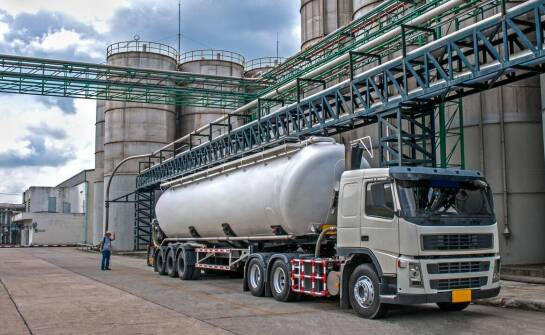
Temperature-controlled transport plays a crucial role in maintaining product integrity. Refrigerated vehicles and frozen-food logistics systems are commonly operated according to applicable transport requirements and customer specifications.
Proper packaging using moisture-resistant barrier materials helps reduce dehydration and protects the product against quality deterioration associated with freezer burn.
Clear batch identification is equally important.
Labels containing batch numbers, freezing dates, and storage requirements support inventory management systems such as FIFO and FEFO, helping distributors maintain product quality throughout the supply chain.
Documentation Requirements for Pork By-Product Exports
International trade in animal-derived products requires full product traceability and compliance with veterinary regulations.
Businesses involved in meat exports are typically required to prepare veterinary and sanitary documentation demonstrating that products originate from approved facilities operating under official supervision.
Verification requirements vary depending on the destination market.
Within the European Union, animal-origin shipments may be subject to procedures involving systems such as TRACES and related health-entry documentation. The specific requirements depend on the nature of the shipment and the applicable regulations.
Exports to third countries generally follow separate bilateral requirements and may involve additional health certificates, origin declarations, and supporting documentation requested by the importing authorities.
Michna Meat supplies pork head by-products to international customers and supports the preparation of products in accordance with export and customer specifications.
Selecting Whole Pork Snouts for Further Processing
The use of whole pork snouts depends on the technological requirements of a given processing facility.
They are particularly suitable when production processes require uniform raw materials, efficient machine throughput, and access to naturally collagen-rich tissues.
Preserving the anatomical integrity of the product can help reduce handling losses and improve workflow efficiency on high-capacity processing lines.
Further subdivision into smaller components, such as isolated snout discs or other selected portions, is normally performed when the final product specification calls for the separation of cartilage-rich elements.
Accurate classification of raw materials before cooking, grinding, or other manufacturing processes helps processors optimize resource utilization and achieve consistent production outcomes.
Key Takeaways
Whole pork snouts are a separate processing raw material, not simply a larger version of a snout disc.
Skin, cartilage, and connective tissues influence cleaning, trimming, handling, and processing performance.
Increased cartilage and collagen content may support desirable technological properties during further processing.
A uniform shape simplifies portioning, batch standardization, and production planning.
Chilling, freezing, and suitable packaging help preserve product quality throughout the B2B supply chain.
Veterinary documentation, origin traceability, and export certifications play an important role in international trade.
FAQ
How does a whole pork snout differ from a snout disc from a processing perspective?
A whole pork snout contains more cartilage, connective tissue, and natural collagen than a trimmed snout disc. This gives it different structural properties and can influence both portioning efficiency and subsequent processing methods.
When is it beneficial to keep a whole pork snout as the primary raw material?
A whole pork snout is often preferred when production lines require standardized inputs and consistent batch characteristics. Its uniform shape can simplify freezing, palletization, and automated handling processes.
Which documents are important when exporting whole pork snouts?
Key documents may include veterinary certificates, origin documentation, and any export certificates required by the destination market. Additional administrative requirements depend on the importing country and applicable trade regulations.
You might be interested

The Future of Coffee Roasting Machines: What Awaits Us?

New or Used Amusement Machines for FECs: What Really Determines Profitability?

Hand Painting and Stamping: What Gives Bolesławiec Pottery Its Individual Character?